
In today’s fast-paced and interconnected world, having a reliable internet connection is no longer a luxury—it’s a necessity. From streaming your favourite shows and working seamlessly from home to enjoying lag-free gaming and managing smart home devices, the internet plays a crucial role in everyday life. A stable and high-speed connection ensures you can stay productive, entertained, and connected without interruptions.
This is where fibre internet comes in as an ideal solution. Known for its unmatched speed, reliability, and flexibility, fibre internet meets the demands of modern households and businesses. Unlike traditional connections, it delivers consistent performance, even during peak usage times, making it the go-to choice for people who require efficient and dependable internet access.
Understand Your Internet Needs
Different Types of Internet Users
Understanding your internet usage is essential when selecting the right fibre internet plan. Not every household or business has the same needs, so we’ve broken down the typical user types to help you identify where you fit.
- Light Users
Light users primarily engage in basic activities such as browsing the web, checking emails, and scrolling through social media platforms. For these everyday tasks, a connection speed of 10-25 Mbps is typically sufficient. For example, streaming standard-definition videos or downloading small files would fall into this category. If you have only one or two devices connected at a time, this speed tier should meet your needs.
- Moderate Users
Moderate users require more bandwidth due to activities such as HD video streaming, online gaming, and making video calls. A speed of 25-100 Mbps can comfortably handle these tasks without lag or disruptions. For instance, streaming Netflix in HD or hosting family Zoom calls with multiple participants would benefit from this range. Households with several devices connected simultaneously may also find this speed ideal.
- Heavy Users
Heavy users demand robust speeds, typically exceeding 100 Mbps, to support activities like 4K video streaming, managing an array of IoT devices, and downloading or uploading large files. If your household streams Ultra HD content on multiple screens, uses smart home devices such as security systems and voice assistants or frequently engages in bandwidth-intensive tasks, higher speeds are highly recommended. Heavy users often require consistent, high-speed connections to avoid interruptions in workflow or entertainment.

Evaluate Speed and Bandwidth
Speed and bandwidth are key factors in determining your internet performance, but they serve distinct purposes. Internet speed refers to how fast data moves to and from your devices, while bandwidth measures the maximum amount of data that can be transmitted over your connection at the same time. Think of bandwidth as the width of a highway and speed as the rate at which cars (data) travel along it. A higher bandwidth ensures more cars can move simultaneously, but the speed of individual cars depends on other factors, like network congestion or limitations on the devices themselves.
When multiple devices connect to the same network, they share the available bandwidth. Activities like streaming 4K videos, online gaming, or attending virtual meetings on multiple devices simultaneously require both ample bandwidth and a fast connection. This is why choosing a fibre optic internet plan with adequate speeds and sufficient bandwidth is crucial to avoid buffering or delays. For households with heavy usage or smart home setups, upgrading to a high-speed plan ensures consistent performance for all users without interruptions.
Compare Costs and Contracts
Key Cost Considerations
When selecting an internet plan, it is important to evaluate all potential costs to ensure it fits your budget. Here are the key factors to consider:
- Installation Fees: Some providers charge upfront fees for setting up the connection, which can vary depending on the type of service or location. Check if there are free installation promotions or if these fees can be waived.
- Monthly Subscription: The advertised monthly rate is a primary consideration, but be sure to confirm what is included in the plan and whether it meets your speed and bandwidth needs.
- Hidden Fees: Be vigilant for additional charges such as router rentals, data overage fees, or charges for early termination of contracts. These extra costs can significantly impact the overall expense.
Reading Contract Details
Another crucial step is carefully reviewing the terms of your contract. Watch for clauses regarding potential price increases after an initial promotional period, which could lead to higher long-term costs. Understanding these contract details ensures there are no surprises later.
Flexibility vs Fixed Contracts
When deciding between a month-to-month plan and a fixed-term contract, weigh your priorities. Month-to-month flexibility is ideal if you anticipate needing to cancel or change services without penalties, though it might come at a higher cost. Alternatively, fixed-term contracts often offer more affordable rates for those looking for stability and are confident they won’t need to switch providers in the near future. Choose the option that aligns with both your budget and convenience.
Check Fibre Availability in Your Area
Fibre coverage can vary widely due to differences in local infrastructure. The availability of fibre-optic internet depends on the existing network built by internet service providers in your area. Urban areas often enjoy extensive fibre networks, while rural or remote areas may have limited access due to the higher cost and complexity of expanding infrastructure in these regions.
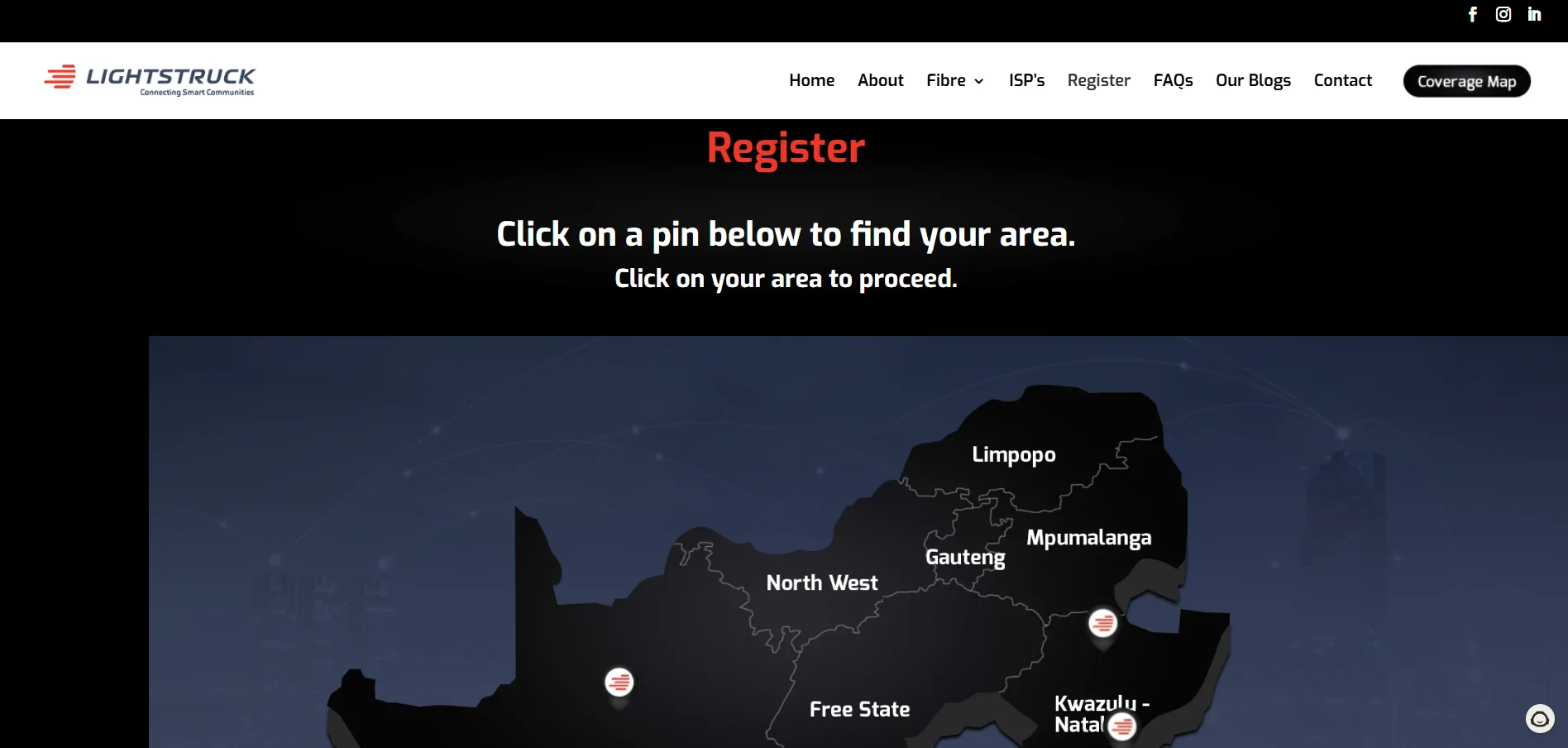
To determine whether fibre is available in your area, start by using provider coverage checkers offered by major service providers. These online tools can quickly show fibre availability at your specific address. Additionally, research local networks like Lightstruck or similar regional providers, as they might be expanding fibre access in your community. Lastly, consider checking community reviews and forums to assess the reliability and quality of service. Feedback from neighbours can help you make an informed decision and discover providers who deliver consistently dependable connectivity.
Prioritize Customer Service and Reliability
When selecting an internet provider, uptime and responsive customer support should be top priorities. Reliable uptime ensures that your internet connection remains stable and functional when you need it most, reducing the risk of interruptions to crucial activities like remote work, online learning, or streaming. Equally, having access to prompt and effective customer support can make a significant difference when technical issues arise, minimising downtime and frustration.
To vet potential providers, start by reading reviews and testimonials from existing customers. These first-hand accounts can offer valuable insights into the provider’s performance, customer service quality, and actual reliability compared to their promises. Additionally, investigate their service-level guarantees (SLAs), which outline commitments regarding uptime and how issues like downtime will be handled. A strong SLA reflects the provider’s confidence in their services and willingness to be held accountable. By combining these strategies, you can make a well-informed decision that ensures dependable connectivity and support.
Consider Open Access Networks for Flexibility
Open access networks are an innovative solution that empowers users by enabling them to choose from multiple Internet Service Providers (ISPs) operating within the same infrastructure. Unlike traditional setups, where consumers are often tied to a single provider for their connectivity needs, open access networks break down these barriers by fostering competition and flexibility. This model allows users to easily switch providers without being constrained by restrictive contracts, ensuring they can adapt to better services or pricing as needed. By offering greater control and choice, open access networks encourage ISPs to continually improve their offerings, ultimately benefiting consumers with superior service quality and fairer terms.
Experience the future of connectivity with Lightstruck!
We’re revolutionising Southern Africa’s digital landscape by bringing high-speed, reliable fibre optic internet to your community. At Lightstruck, we are committed to empowering businesses, enhancing everyday life, and transforming education through advanced communication technology. Say goodbye to outdated copper connections and enjoy the superior speed, signal strength, and efficiency that only fibre can offer. Join the thousands of residential and commercial users already benefiting from secure and seamless internet. Visit our website today to check availability in your area and make the switch to a smarter, faster connection with Lightstruck!